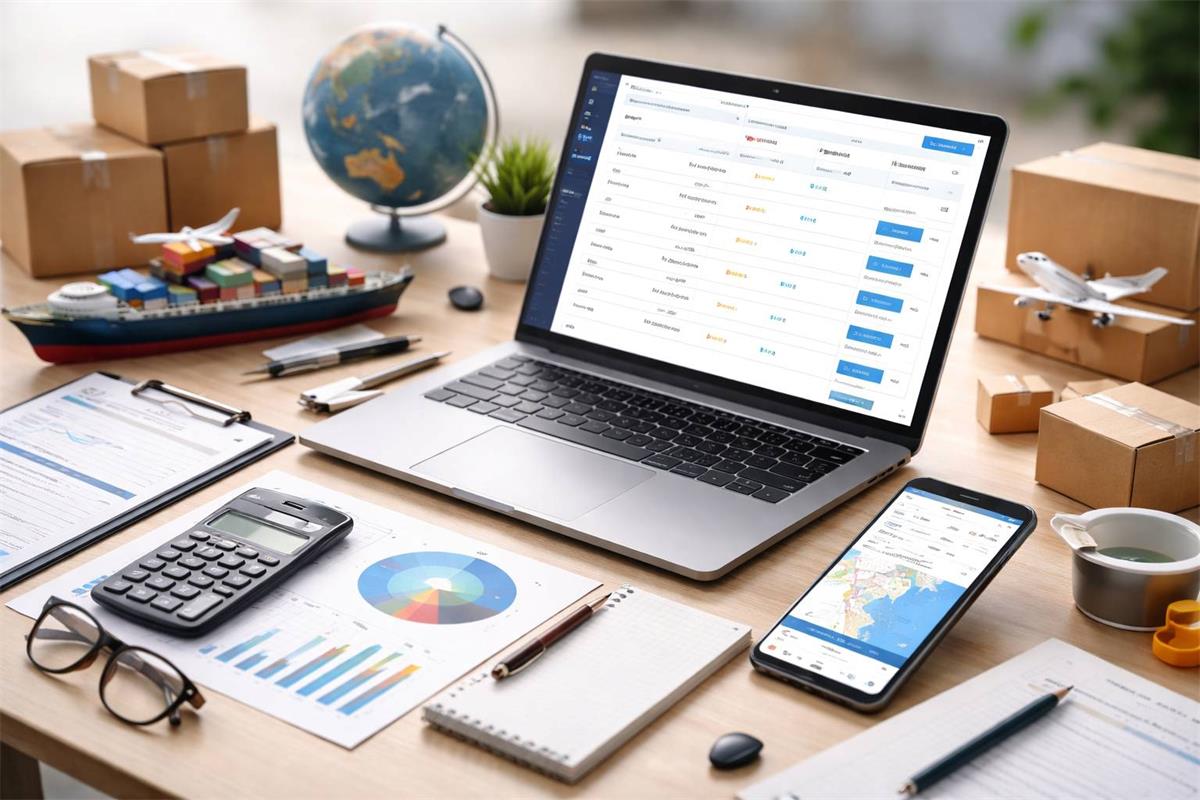
Global trade has changed. What used to rely on phone calls, spreadsheets, and fragmented communication is now shifting toward digital, connected workflows. Yet many importers and exporters still operate with outdated tools — not because better options don’t exist, but because the transition isn’t always clear.
This article breaks down the essential digital tools that modern shippers should be using today as a practical toolbox to reduce costs, improve visibility, and make better decisions.
1. Real-Time Rate Comparison Tools
Stop guessing. Start benchmarking.
One of the most common (and costly) issues in shipping is relying on a single quote or outdated rate references. Freight rates fluctuate constantly by carrier, route, timing, and even space availability.
Modern rate comparison tools allow you to:
> View multiple carrier options side by side
> Evaluate cost vs. transit time trade-offs
> Benchmark quotes received from forwarders
> Identify market trends before committing
Why it matters:
Without comparison, you’re negotiating blind. With it, you’re making informed decisions backed by market data.
Today, digital platforms like All Forward, enable you to compare live carrier rates and request multiple offers within minutes, turning what used to take days into a structured, fast decision process
2. Full Cost Transparency Tools
Because the cheapest rate is rarely the final cost.
Freight pricing is often layered: base ocean freight, origin charges, destination charges, documentation fees, surcharges, and more. The lowest headline rate often hides the highest final cost.
Digital tools provide:
> A full cost breakdown upfront
> Visibility into local charges at both origin and destination
> Standardized formats for easier comparison
Why it matters:
Hidden or unclear charges are a major source of friction. Transparency reduces disputes, speeds up approvals, and builds long-term trust with partners.
Digital quoting environments now allow you to review and compare complete offers before committing, giving you control before, not after, the decision.
3. Multi-Carrier Schedules & Planning Tools
Timing is as critical as price.
Choosing the right sailing or flight is not just about departure. it’s about reliability, frequency, and alignment with your supply chain.
Modern scheduling tools enable:
> Access to multiple carrier schedules in one place
> Comparison of transit times across routes
> Planning shipments based on delivery deadlines
Why it matters:
A slightly more expensive shipment that arrives on time is often far more valuable than a cheaper one that disrupts your operations.
Having access to multi-carrier schedules with flexible filtering allows you to plan proactively instead of reacting to delays.
4. Shipment Tracking & Visibility Platforms
If you can’t see it, you can’t manage it.
Tracking is no longer a “nice to have”. Customers, suppliers, and internal teams expect real-time updates.
Advanced tracking tools now offer:
> Real-time shipment status across carriers
> Centralized tracking for shipments
> Alerts for key milestones
Why it matters:
Visibility reduces uncertainty, improves communication, and allows faster response to disruptions.
Modern tracking solutions go further, allowing you to monitor shipments even if they were not booked through the same system, creating a single view across your operations.
5. Digital Documentation & Workflow Tools
Move documents as fast as your cargo.
Shipping still depends heavily on documentation: Bills of Lading, invoices, packing lists, certificates- but the way these are handled has evolved.
Digital tools now allow:
> Uploading and managing documents in one place
> Easy sharing with partners
> Version control and quick updates
> Reduced reliance on email chains
> On-demand access from anywhere
Why it matters:
Managing and accessing shipping documents digitally assists in preventing delays in documentation that can delay entire shipments. Digital workflows reduce errors, eliminate back-and-forth emails, and speed up processes.
All forward offers you digital documents management, where you can upload, edit and download the shipment’s documents.
6. Freight Management Dashboards
One place to manage everything.
Instead of juggling emails, spreadsheets, and disconnected systems, modern shippers benefit from centralized dashboards.
They typically include:
Why it matters:
A single source of truth improves efficiency, reduces errors, and gives you full control over your operations.
Platforms like All Forward, that combine these elements allow you to manage shipments end-to-end, from initial quote to final delivery, without switching between tools. If you’re looking to bring everything into one workflow, you can create a free account here and explore how it works in practice.
Bringing It All Together
Individually, each of these tools solves a specific problem. Together, they form a connected ecosystem — the modern shipper’s toolbox.
The shift is not just about digitization, but about integration:
> From reactive to proactive
> From fragmented to centralized
> From guesswork to data-driven decisions
The most competitive importers and exporters today are the ones who use the right tools to move faster, see clearer, and operate smarter.
If you’re looking to bring these capabilities into one workflow, you can explore how digital platforms like All Forward are simplifying rate comparison, tracking, and shipment management in one place.